
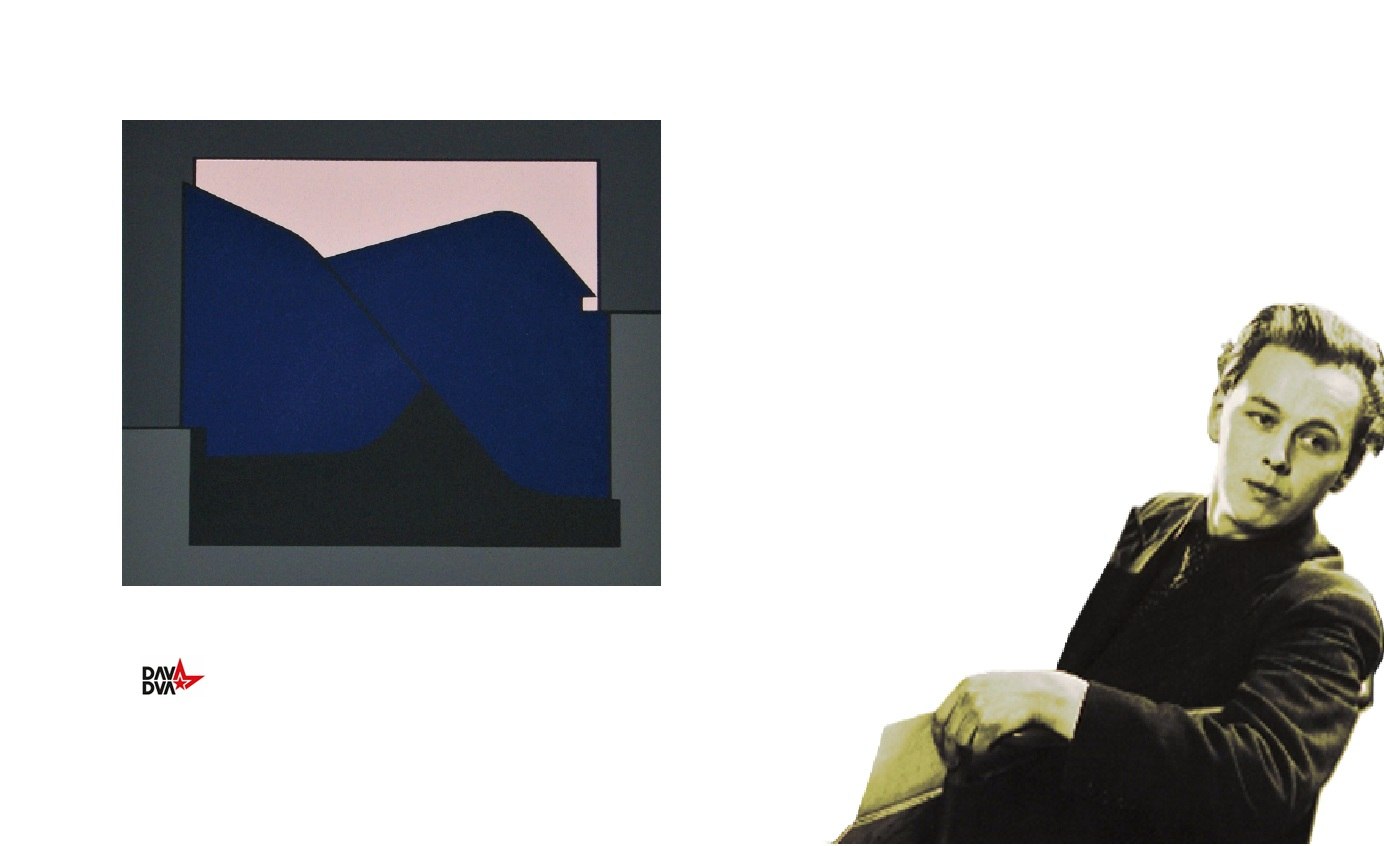


Vasarely ako most umením medzi kultúrami Slovenska, Maďarska, Francúzska a sveta
DAV DVA otvára po úspešných seriáloch Z KNIŽNICE UTOPICKÉHO SOCIALIZMU, DRUŽSTEVNÍCTVO a VÝTVARNÍCI SNP nový, tentokrát internacionálny seriál kulturologických komparatívnych štúdií Lukáša Perného KULTUROLÓGIA MEDZINÁRODNE. Prvá zo štúdií bude zameraná na osobnosť Victora Vasarelyho, umelca, ktorý tvorbou spája slovenskú a maďarskú umeleckú kultúru. Az alábbiakban magyar és angol nyelvű szöveget közlünk.
Vasarely, mint híd a művészeten keresztül Szlovákia, Magyarország, Franciaország és a világ kultúrái között /kétnyelvű tanulmány/
Na DAV DVA uverejňujeme štúdiu (pôvodný názov Victor Vasarely and Slovakia, biographical data and Slovak context of his work and his inspiration for Slovak artists (Medúz, Dubay) ) Dr. Ladislav Skraka, ktorá vznikla v spolupráci s Dr. Lukášom Perným. V rozšírenej verzii vyjde v maďarskej verzii v časopise Veritatis Imago a je výsledkom výstupu z III. konferencie Alajosa Bálinta, ktorú organizovalo Móra Ferencz Múzeum v Szegede na ktorej autori vystúpili, o čom informovala Kata Hari. Keďže je DAV DVA v oblasti kultúrnej politiky projekt internacionalistický, v duchu kultúrnej politiky štyroch svetových strán chceme aj touto štúdiou napomôcť šíreniu dobrých vzťahov medzi národmi, konkrétne medi Slovákmi a Maďarmi.
Abstract: Victor Vasarely (April 9, 1906, Pécs – March 15, 1997, Paris), real name Vásárhelyi Győző, painter, graphic artist and sculptor, who is generally considered one of the representatives of op-art and kinetic art (Vasarely is recognized as the father of optical art[1]). One of the main representatives of op-art or optical art is the Hungarian artist Victor Vasarely (his work Zebra, created in the 1930s is example of earliest of Op-art). The presented article is based on published information about the family circumstances of the prominent Hungarian artist Victor Vasarely in relation to the Slovak mother, as well as the presentation of works in which he specifically addresses the stimuli and depictions of reality from Slovakia. The authors of the article focus on the broader cultural context between Hungary and Slovakia. The work of this artist is whose legacy of work and creation means a significant and positive pillar of Slovak-Hungarian and Hungarian-Slovak artistic and cultural relations. The submitted contribution follows on from a short article published in the Parliamentary Courier in 2000,[2] and aesthetic studies and texts on the interwar avant-garde and cultural expressions in the 1960s and 1970s and text about the artists of Slovak Matica[3] (especially Vasarely’s op-art inspired Slovak artists Milan Medúz and Orest Dubay). Vasarely’s importance as a Hungarian artist with partly Slovak[4], partly Romanian[5] origins living in France (naturalized citizen of France) creates a European or global platform for bridges between the cultures of Hungary, Slovakia, Romania and France.
Victor Vasarely (9. apríl 1906, Pécs – 15. marec 1997, Paríž), vlastným menom Vásárhelyi Győző, maliar, grafik a sochár, je všeobecne považovaný za jedného z predstaviteľov op-artu a kinetického umenia (Vasarely je označovaný za otca optického umenia). Jedným z hlavných predstaviteľov op-artu alebo optického umenia je maďarský umelec Victor Vasarely (jeho dielo Zebra, vytvorené v 30. rokoch, patrí medzi najskoršie príklady op-artu). Predkladaný článok vychádza z publikovaných informácií o rodinných pomeroch významného maďarského umelca Victora Vasarelyho vo vzťahu k jeho slovenskej matke, ako aj z prezentácie diel, v ktorých sa konkrétne venuje podnetom a zobrazeniam reality zo Slovenska. Autori článku sa sústreďujú na širší kultúrny kontext medzi Maďarskom a Slovenskom. Tvorba tohto umelca predstavuje významný a pozitívny pilier slovensko-maďarských a maďarsko-slovenských umeleckých a kultúrnych vzťahov. Predložený príspevok nadväzuje na krátky článok publikovaný v Parlamentnom kuriéri v roku 2000, ako aj na estetické štúdie a texty o medzivojnovej avantgarde a kultúrnych prejavoch 60. a 70. rokov a na texty o výtvarníkoch Matice slovenskej (najmä na op-artom Victora Vasarelyho inšpirovaných slovenských umelcov Milana Medúza a Oresta Dubaya). Význam Vasarelyho ako maďarského umelca s čiastočne slovenským a čiastočne rumunským pôvodom, žijúceho vo Francúzsku (naturalizovaný občan Francúzska), vytvára európsku až globálnu platformu pre prepájanie kultúr Maďarska, Slovenska, Rumunska a Francúzska.
Kľúčové slová: Victor Vasarely, kultúra, biografické údaje, výtvarné umenie, slovenský, maďarský, medzinárodné vzťahy / Keywords: Victor Vasarely, culture, biographical information, visual art, Slovak, Hungarian, international relationship
Kontext avantgardy a začiatky tvorby
Pre dejiny dizajnu, podobne ako Bauhaus v Nemecku, alebo Fulla a Galanda, aj v kontexte DAV-u v Československu, je maďarský umelec Victor Vasarely jedinečnou a originálnou osobnosťou, ktorá ovplyvnila umenie a umelecké smery nasledujúcich desaťročí (pop-art – Andy Warhol, plagátová tvorba 60. rokov, dizajn, film, móda a pod.). Korene jeho tvorby siahajú do konca 20. a 30. rokov 20. storočia, do obdobia Bauhausu, keď v Československu pôsobili Fulla a Galanda, teda do obdobia európskej avantgardy, keď sa Vasarely inšpiroval kubizmom, futurizmom, konštruktivizmom (najmä Malevičom), expresionizmom a surrealizmom, pričom jeho tvorba zároveň presahuje do druhej vlny masovej kreativity 60. rokov, čím vytvára most medzi týmito obdobiami.
O Vasarelym vzniklo množstvo prác (preto nemá zmysel predstavovať jeho rozsiahle dielo v plnom rozsahu), tento článok sa však sústreďuje konkrétne na slovensko-maďarský kontext, ako aj na umelcov, ktorých ovplyvnil. Vasarelyho mladosť je spojená so Slovenskom, s Trenčínom a prostredím Piešťan (žil tu do roku 1919). V tomto kontexte bola zorganizovaná výstava Vasarely a Slovensko v meste Štúrovo (maď. Párkány), ktorá obsahovala diela zapožičané zo súkromnej zbierky hudobného skladateľa Tibora Csepeiho, za účasti ministra zahraničných vecí Maďarskej republiky Zsolta Németha a štátneho tajomníka Ministerstva zahraničných vecí Slovenskej republiky Jaroslava Chleba, čo dokazuje význam tejto témy pre rozvoj slovensko-maďarských vzťahov prostredníctvom kultúry. Táto zbierka pozostáva z obrazov (olej, vinyl), grafík, kresieb (serigrafia), porcelánu a kinetických objektov (výstava bola prezentovaná aj v Afrike a v hlavných mestách Európy).
Podľa grafika Lászlóa Moholy-Nagyho z okruhu weimarsko-dessauského Bauhausu bol Vasarely významným predstaviteľom parížskej školy a spolu s Le Corbusierom a Ozenfandom patrí k zakladateľom abstrakcionizmu založeného na opticko-kompozičných, farebne realizovaných geometrických princípoch. Ako uvádza spoluautor Skrak, pre dejiny moderného umenia znamenal začiatok princípu op-artu a svojou ideou reprodukcie „multiples“, ktorú realizoval po roku 1957 aktualizovaním pôvodnej maľby prostredníctvom serigrafie, „demokratizoval predstavy o jedinečnosti umeleckého originálu v ére masovej komunikácie“.
Ak píšeme o slovenských vplyvoch v jeho tvorbe, fakt, že Vasarelyho matka Anna Csiszár sa narodila v Trnave (maď. Nagyszombat), nie je jediným styčným bodom. Mnohé jeho diela vznikli na základe spomienok na hornú časť vtedajšieho Rakúsko-Uhorska, dnešné územie Slovenskej republiky, čomu zodpovedajú aj názvy diel: Girls-Flowers, Folklore, Prievidza, Poprad, Detva, Ilava, Žilina, Latorica, Užok a ďalšie. Pri pohľade na túto radostnú farebnú explóziu pod triumfálnym znakom farby objavujeme, že autor sa intuitívne vracia k určitým tvarovým motívom, ktoré obľuboval už od čias svojich prvých prác.
CONTEXT OF AVANT-GARDE ART
For the history of design such as Bauhaus in Germany, or Fulla and Galanda[6] also in the context of DAV in Czechoslovakia, the Hungarian artist Victor Vasarely is a unique and original personality[7] who also influenced the art and movements of next decades (pop-art (Andy Warhol), 60s music posters, design, movies[8], fashion etc.).[9]
The roots of his work date back to the late 1920s and 1930s, the time of Bauhaus when Fulla and Galanda were working in Czechoslovakia, the time of the European avant-garde, when Vasarely was inspired by cubism, futurism, constructivism (especially Malewitch), expressionism and surrealism, but what is important, they extend to the second wave of mass creativity, the 1960s, thus creating a bridge between these periods.
There have been many works on Vasarely (therefore it makes no sense to present his extensive work[10]), but this article focuses specifically on the Slovak-Hungarian context, as well as the artists he influenced. Vasarely’s young age is connected with Slovakia and Trenčín and the Piešťany environment (Vasarely lived here until 1919).[11]
In this context was organized the exhibition Vasarely and Slovakia in the town of Štúrovo (Hungarian: Párkány) which contained works borrowed from the private collection of music composer Tibor Csepei[12], with the participation of the Minister of Foreign Affairs of the Republic of Hungary Zsolt Németh and the Secretary of the Ministry of Foreign Affairs of the Republic of Slovakia Jaroslav Chleb, which proves how important this topic is for development of Slovak-Hungarian relations through culture.[13]
This collection consists of paintings (oil, vinyl), graphics, drawings (serigraphy), porcelain and kinetic objects (exhibition was exhibited in Africa and the capitals of Europe).
According to graphic artist László Moholy-Nagy from the Weimar-Dessau Bauhaus circle, Vasarely was a prominent representative of the Parisian school and, along with Le Corbusier and Ozenfand, also one of the founders of abstractionism based on optical-compositional, color-realized geometric principles.
As co-author Skrak states in the text, he marked the beginning of the principle of op-art for modern art history and, with his idea of reproducing „multiples“, „he realized after 1957 by actualizing the original painting on the basis of serigraphy, democratizing ideas about the uniqueness of the artistic original in the age of mass communication.“
If we are writing about Slovak influences in Vasarely’s work, the fact that Vasarely’s mother Anna Csiszár, was born in Trnava (Hungarian: Nagyszombatból)[14] is not the only point of contact.
Many of his works were created and conceived based on memories from the upper part of the then Austro-Hungarian Empire, today’s Slovak Republic. And he gave the titles to the works accordingly: Girls-Flowers, Folklore[15], Prievidza, Poprad, Detva, Ilava, Žilina, Latorica, Užok and others.[16]


Looking at this joyful fireworks exploding under the triumphant sign of color, we discover that the author instinctively returns to certain shape motifs that he has favored since the days of his first works.
INSPIRATION AND LEGACY
In the context of the contribution and analogies between Slovak and Hungarian culture, it is also necessary to mention Vasarely’s influence on Milan Medúz[17]. However, the text is not based on a vacuum, as co-author Dr. Skrak organized an exhibition in this context directly in Budapest („Milan Medúz – historical inspirations and homage to V. Vasarely“).[18]
In this context, it was recalled that the opart effect „moiré“ used by Vasarely was applied by Slovak artists Milan Medúz and Orest Dubay, to the plastic expression of shapes. The raster-like, transferred lines with areas of color showed the possibility of capturing mixed moods and situations. In any case, the Medúz-Vasarely connection is documented in the painting Homage to Vasarely (2000) by Medúz.[19] Medúz’s daughter Jana Koštiaľová, who is a member of the Slovak Matica Art Department, also continues in the artistic line.
Secondly, it is worth mentioning Vasarely’s influence on the famous Slovak artist Orest Dubay (his work has gained European and global acclaim).[20] In 2009, co-author Dr. Ladislav Skrak organized an exhibition for him in Budapest.[21] Dubay’s work emerged to a significant extent from Bratislava’s realities and stimuli, from historicizing sources and ideals of the resistance, from the characteristic Dubay monumentality of the composition of hands and the symbolism of the sun, from the composed human figure, nostalgia, vitality and sensitivity. His founding initiatives in the illustration work dedicated to the fight against fascism are well known, as well as his plot, historicizing and genre graphic cycles. He is especially famous for his black-and-white synthesizing constructivist graphic and motif expression, which in the context of the development of op art gained worldwide recognition and was respected as much as the congenial V. Vasarely. His work also marked a breakthrough in the application of fine arts in architecture (at Bratislava Castle, in Spišská Nová Ves, in Poprad, and Prešov). Painter and graphic artist Orest Dubay entered the consciousness of the Slovak art community as a significant figure in modern Slovak fine art, which included, in addition to artists such as A. Warhol and V. Vasarely, Orest Dubay.
INŠPIRÁCIA A DEDIČSTVO
V kontexte príspevku a analógií medzi slovenskou a maďarskou kultúrou je potrebné spomenúť aj Vasarelyho vplyv na Milana Medúza. Text však nevzniká vo vzduchoprázdne, keďže spoluautor PhDr. Skrak usporiadal v tomto kontexte výstavu priamo v Budapešti (Milan Medúz – historické inšpirácie a pocta V. Vasarelymu).
V tejto súvislosti sa pripomenulo, že op-artový efekt „moiré“, používaný Vasarelym, aplikovali slovenskí umelci Milan Medúz a Orest Dubay na plastické vyjadrenie tvarov. Rasterové, prenášané línie s farebnými plochami ukázali možnosť zachytiť zmiešané nálady a situácie.
V každom prípade je spojenie Medúz – Vasarely zdokumentované v obraze Homage to Vasarely (2000) od Milana Medúza. V umeleckej línii pokračuje aj Medúzova dcéra Jana Koštiaľová, ktorá je členkou výtvarného odboru Matice slovenskej.
Druhým významným príkladom je Vasarelyho vplyv na známeho slovenského umelca Oresta Dubaya, ktorého tvorba získala európske aj svetové uznanie. V roku 2009 mu spoluautor PhDr. Ladislav Skrak usporiadal výstavu v Budapešti.
Dubayova tvorba vznikala vo veľkej miere z bratislavských reálií a podnetov, z historizujúcich zdrojov a ideálov odboja, z charakteristickej dubayovskej monumentality kompozície rúk a symboliky slnka, zo skladanej ľudskej figúry, z nostalgie, vitality a citlivosti.
Známe sú jeho zakladateľské iniciatívy v ilustrátorskej tvorbe venovanej boju proti fašizmu, ako aj jeho dejové, historizujúce a žánrové grafické cykly. Mimoriadne preslávil čierno-biely syntetizujúci konštruktivistický grafický a motívny prejav, ktorý v kontexte vývoja op-artu získal celosvetové uznanie a bol rešpektovaný rovnako ako tvorba jeho generačne blízkeho V. Vasarelyho.
Jeho dielo znamenalo aj prielom v uplatnení výtvarného umenia v architektúre (na Bratislavskom hrade, v Spišskej Novej Vsi, v Poprade a v Prešove). Maliar a grafik Orest Dubay vstúpil do povedomia slovenskej umeleckej komunity ako významná osobnosť moderného slovenského výtvarného umenia, ku ktorému popri umelcoch ako Andy Warhol a Victor Vasarely patrí aj Orest Dubay.
CONCLUSION
Vasarely’s legacy also lives on in the exhibitions of Slovak Matica (Art Department). In this context, it was often mentioned during the presentation of works of Milan Medúz in Slovak Matica Gallery[22], at the exhibition of Slovak artists in Strasbourg and Brussels[23] and during the presentation of art for the 80th anniversary of the Slovak National Uprising at the Ministry of Culture of the Slovak Republic and during the presentation of art for the 80th anniversary of the liberation from fascism at Bratislava Castle, again in connection with Milan Medúz and Orest Dubay.[24]
Slovakia and Hungary have personalities who have made an impact on the European and global context of the history of fine arts. On this basis, joint cultural events can be built, which could moderate the historical problems in the coexistence of both nations in the future.
ZÁVER
Vasarelyho odkaz žije aj vo výstavách Matice slovenskej (Výtvarný odbor). V tejto súvislosti bol často pripomínaný pri prezentácii diel Milana Medúza v Galérii Matice slovenskej, na výstave slovenských umelcov v Štrasburgu a Bruseli, ako aj pri prezentácii výtvarného umenia pri príležitosti 80. výročia Slovenského národného povstania na Ministerstve kultúry Slovenskej republiky a pri prezentácii umenia k 80. výročiu oslobodenia od fašizmu na Bratislavskom hrade, opäť v spojení s Milanom Medúzom a Orestom Dubayom.
Slovensko a Maďarsko majú osobnosti, ktoré zasiahli do európskeho aj svetového kontextu dejín výtvarného umenia. Na tomto základe možno budovať spoločné kultúrne podujatia, ktoré by mohli v budúcnosti prispieť k zmierňovaniu historických problémov v spolužití oboch národov.
PhDr. Ladislav Skrak,
PhDr. Lukáš Perný, PhD.
References
[1] However, the term only began to be used in the 1960s.
[2] SKRAK, Ladislav: VIKTOR VASARELY A SLOVENSKO. In: Parlamentný kuriér, časopis NRSR, no. LXXIX, 2000, pp. 48-49
[3] SKRAK, Ladislav, PERNÝ, Lukáš: AESTHETIC ANALYSIS AND CULTUROLOGICAL REFLECTION OF THE WORK OF WOMEN AUTHORS OF THE ART DEPARTMENT OF SLOVAK MATICA AND THE CLUB OF ARTISTS AND ART THEORETICS AT THE SLOVAK UNION OF ANTI-FASCIST. In: DUREC, J., MADURA, P.: Slovak Women in the National Movement. Proceedings of the eponymous international scientific conference of Matica slovenská held on June 13 and 14, 2024 in Martin as part of the Year of Slovak Women in the National Movement. Martin: Matica slovenská, 2024.
[4] Wasarely’s mother Anna Csiszár, was born in Trnava (at that time Slovak part of Austro-Hungarian Monarchy).
[5] Wasarely’s father (Lajos Vásárhelyi Győző) came from Temesvárról.
[6] PERNÝ, Lukáš: DAV (The Crowd) – Slovak left-wing avant-garde group of interwar period. In: Academia Letters, March 2021, Article 396, 2021
[7] His twofold appeal, which he published … to engineers, industrialists and architects and to encourage the creation of teams, … had only a small response. In contrast, his term „planetary folklore“, which he came up with at the time, met with a wide response very quickly. See more: MOSES, Stefan, WILHELM, Peter: VICTOR VASARELY. Planetary Folklore. New Your Graphic Society Ltd. Munich : Verlag F. Burckmann KG, 1973.
[8] If we are talking about film a interior design, I will direct the reader to Vasarely’s design or rather the interior of the futuristic apartment in Kubrick’s famous film A Clockwork Orange (1971).
[9] In the text from 2014, we present Vasarely in this context: At the end of the 1950s, the Hungarian artist Victor Vasarely founded an artistic direction that significantly influenced psychedelic art – op-art (from the English optical art – optical art; the first time the word was used only in 1964). This is based on the use of knowledge of geometry, physiognomy and optics, which he applies to the creation of figures that create optical illusions. Op-art is directly followed by a related artistic direction – pop-art. It was promoted in the 1960s by an important figure of the American counterculture, painter, filmmaker, founder of the experimental studio Factory and spiritual leader of the Velvet Underground musical group – Andy Warhol.
PERNÝ, Lukáš: Visual art of 1960s underground: Psychedelic art, liquid light show, pop-art. In: Posterus.sk, 2014
PERNÝ, Lukáš: Music counterculture at the break of 1960s and 1970s in the culturological perspective I. Nitra : Culturology department, Constantine the Philosopher University in Nitra. 2014. 84 p. ISBN 978-80-558-0677-8;
[10] See more: DIEHL, Gaston: VASARELY. Bratislava : Tatran, 1972;
Vasarely. Geometrie, Abstraktion. Rhytmus. Die Fünfziger Jahre (Katalog zur Ausstellung). Ulmer Museum, Hatje, 1999;
HOLZEY, Magdalene: VASAERELY 1906 – 1907. Pure Vision. Germany : Taschen. 2005.
JORAY, Marcel. VASARELY. Plastic Arts Of The 20th Century. Éditions Du Griffon Neuchâtel. Schwitzerland, 1974.
JORAY, Marcel. VASARELY II. Éditions Du Griffon Neuchâtel. Schwitzerland, 1973.
JORAY, Marcel. VASARELY III. Éditions Du Griffon Neuchâtel. Schwitzerland, 1974.
JORAY, Marcel. VASARELY IV. Éditions Du Griffon Neuchâtel. Schwitzerland, 1979.
VYSARELY, Victor: Éditions Du Griffon Neuchâtel. Éditions Du Griffon Neuchâtel 1, 2, 3.. Schwitzerland, 1977.
[11] DIEHL, Gaston: VASARELY. Bratislava : Tatran, 1972, p. 7;
SKRAK, Ladislav: VIKTOR VASARELY A SLOVENSKO. In: Parlamentný kuriér, časopis NRSR, no. LXXIX, 2000, pp. 48-49
[12] The composer Csepei said at the opening that Vasarely was inspired by mathematics, just as he was by music. This brought them together in the context of imagination. SKRAK, Ladislav: VIKTOR VASARELY A SLOVENSKO. In: Parlamentný kuriér, časopis NRSR, no. LXXIX, 2000, pp. 48-49
[13] Analogies of similar personalities who create positive cultural bridges between Slovak and Hungarian culture are Zoltán Kodály, Béla Bártók, Alojz Štróbl, Sziney Merse-Pál, Mednyanský, Július Bencúr, Eduard Ballo, Tivadár Kosztka Csontváry, Júlia Lörincz, Július Bárta.
[14] Vasarely’s biography, Michèle Vasarely Foundation. In: https://vasarely.com/artist/vasarely/biography-chrono-anthology ; DIEHL, Gaston: VASARELY. Bratislava : Tatran, 1972, p. 7
[15] The changing cycle Girls-Flowers from 1936 or his series aptly named Folklore from 1934-1942 already contained a touch of the ancient soil and traditions of his native land.
[16] In his subconscious mind, he had indeed retained very well the memories of his early childhood spent in the north of the former Austro-Hungarian Empire (today Slovakia), first in Trenčín and later in the spa town of Piešťany until 1919; he had so deeply and powerfully absorbed Slovak folklore and memories of this region, from which his mother, born in Trnava, came, and which he had so often passed through, that even after thirty years, old familiar names still surface in his memory when he was looking for names for his paintings: Prievidza, Poprad, Detva, Ilava, Žilina as names of places, Latorica as the name of a river, etc. Naturally, he remembered most of these proper names and used them in the Hungarian version.
[17] See more: LOMNICKÁ, Amália: CESTY ŽIVOTA A TVORBY MILAN MEDÚZA. Prievidza K-2000, 2025
[18] Milan Medúz. Történelmi inspirációk és tisztelgés Victor Vasarely előtt. Budapesť, 2008 (bulletin).
[19] SKRAK, Ladislav: DIELA A TVORBA MILANA MEDÚZA V BUDAPEŠTI. Historické inšpirácie a pocta Vasarelymu. In. EUROREPORT PLUS, 2009, p. 50-51
[20] LENKO, Július. OREST DUBAY. Bratislava : Tatran, 1972.
[21] SKRAK, Ladislav: Hodnoty. In: NOVÉ SLOVO, 2009, https://noveslovo.eu/archiv/hodnoty-2/
[22] Otvorenie novej Gálerie Matice slovenskej sprevádzajú významní národní umelci. In: Hlavné správy, 2023, https://www.hlavnespravy.sk/otvorenie-novej-galerie-matice-slovenskej-sprevadzaju-vyznamni-narodni-umelci/3162960
[23] KRNO, Martin: Umelecká štafeta mieru sa vrátila. In: NOVÉ SLOVO, 2024, https://noveslovo.eu/kultura/umelecka-stafeta-mieru-sa-vratila/
[24]Vo dvorane ministerstva kultúry je výstava k 80. výročiu SNP. In: TASR, 2024, https://www.teraz.sk/regiony/vo-dvorane-ministerstva-kultury-je-vys/824007-clanok.html?fbclid=IwY2xjawFcv2dleHRuA2FlbQIxMAABHZs0Q7xGfXP5Gx27JX1HYnjBqqB72PhkKzQEMiE17Vu7_Hc5tr6dIlI3ug_aem_EqXucb9VE_j9-02JrJ151g
Na Bratislavskom hrade je výstava pri príležitosti 80. výročia oslobodenia. In: Bratislavské noviny, 2025, https://www.bratislavskenoviny.sk/aktuality/stare-mesto/84395-na-bratislavskom-hrade-je-vystava-pri-prilezitosti-80-vyrocia-oslobodenia; https://bleskovky.zoznam.sk/cl/1005001/3033635/Na-Bratislavskom-hrade-je-vystava-pri-prilezitosti-oslobodenia
***
Vasarely, mint híd a művészeten keresztül Szlovákia, Magyarország, Franciaország és a világ kultúrái között
A tanulmány Victor Vasarely (1906–1997) életművét és kulturális jelentőségét vizsgálja, különös tekintettel a szlovák–magyar kapcsolatokra és az európai művészeti kontextusra. Vasarely, eredeti nevén Vásárhelyi Győző, az op-art (optikai művészet) egyik megteremtője, akinek munkássága a 20. századi modern művészet egyik meghatározó irányzatává vált. A szerzők rámutatnak arra, hogy személye és alkotói öröksége nem csupán művészettörténeti szempontból jelentős, hanem egyben kulturális hidat is képez különböző nemzetek között.
A tanulmány egyik központi tézise, hogy Vasarely identitása és művészete többnemzetiségű gyökerekből táplálkozik. Magyar művészként vált ismertté, ugyanakkor édesanyja révén szlovák kötődésekkel rendelkezett, és életének meghatározó részét Franciaországban töltötte, ahol később állampolgárságot is szerzett. Emellett részben romániai gyökerei is voltak, ami tovább erősíti azt a képet, hogy életműve egy tágabb közép-európai és európai kulturális térben értelmezhető. E többes identitás teszi lehetővé, hogy Vasarelyt olyan művészként értelmezzük, aki hidat képez Magyarország, Szlovákia, Románia és Franciaország között, és akinek munkássága globális dimenzióba emeli a regionális kulturális tapasztalatokat.
A szerzők részletesen bemutatják Vasarely művészeti fejlődésének kezdeteit, amelyek az 1920-as és 1930-as évek európai avantgárd mozgalmaihoz kapcsolódnak. Ebben az időszakban a Bauhaus szellemisége, valamint a kubizmus, futurizmus, konstruktivizmus és szürrealizmus jelentős hatást gyakoroltak rá. A konstruktivizmus, különösen Kazimir Malevič munkássága, fontos inspirációs forrást jelentett számára. Vasarely azonban nem csupán követője volt ezeknek az irányzatoknak, hanem sajátos módon tovább is fejlesztette azokat, létrehozva az op-art vizuális nyelvét, amely az optikai illúziók, geometriai formák és színek dinamikus kölcsönhatására épül.
Az op-art egyik korai példája Vasarely Zebra című műve, amely már a 1930-as években megjeleníti azokat az optikai jelenségeket, amelyek később egész művészetének alapját képezték. A tanulmány hangsúlyozza, hogy Vasarely munkássága nemcsak a képzőművészetre, hanem a design, az építészet, a film és a divat világára is jelentős hatást gyakorolt. Hatása kimutatható például a pop-art irányzatában is, amelynek egyik legismertebb képviselője Andy Warhol.
A tanulmány külön figyelmet fordít Vasarely és Szlovákia kapcsolatára. Gyermekkorának egy részét a mai Szlovákia területén töltötte, többek között Trenčín és Piešťany környékén, ami maradandó élményeket hagyott benne. Ezek az élmények később műveiben is visszaköszönnek, nemcsak tematikus, hanem címadási szinten is. Számos alkotása viseli szlovákiai helynevek nevét, mint például Poprad, Detva, Ilava vagy Žilina, ami arra utal, hogy a művész tudatosan reflektált ezekre az emlékekre.
A szerzők kiemelik, hogy Vasarely szlovák kötődése nem merül ki életrajzi adatokban, hanem mélyebb kulturális jelentőséggel bír. Művészete olyan vizuális nyelvet teremtett, amely alkalmas a különböző kulturális identitások közötti párbeszédre. Ez különösen fontos a szlovák–magyar kapcsolatok szempontjából, amelyek történelmileg gyakran terheltek voltak, ugyanakkor a művészet révén lehetőség nyílik ezek újraértelmezésére és harmonizálására.
A tanulmány jelentős része foglalkozik Vasarely hatásával a szlovák képzőművészetre. Különösen fontosnak tartja Milan Medúz munkásságát, aki műveiben közvetlenül reflektált Vasarely op-art stílusára. Medúz alkotásaiban megjelenik az úgynevezett „moiré” effektus, amely az optikai vibrálás és mozgás illúzióját kelti. Ez a technika lehetővé teszi a vizuális élmény dinamikusabbá tételét, és újfajta kifejezési lehetőségeket nyit meg a képzőművészetben.
Hasonlóképpen fontos Orest Dubay szerepe, aki szintén jelentős mértékben merített Vasarely művészetéből. Dubay munkássága azonban sajátos módon ötvözi az op-art elemeit a történelmi és társadalmi témákkal, különösen az antifasiszta küzdelmek és a modern szlovák identitás kérdéseivel. Grafikai munkái, különösen fekete-fehér konstruktivista kompozíciói, nemzetközi elismerést váltottak ki, és hozzájárultak a szlovák művészet nemzetközi láthatóságához.
A tanulmány kitér arra is, hogy Vasarely hatása nem csupán egyéni művészekre korlátozódik, hanem intézményi szinten is érvényesül. Különösen fontos szerepet játszik ebben a Matica slovenská, amely kiállításokon és művészeti eseményeken keresztül ápolja és közvetíti ezt az örökséget. Vasarely munkássága rendszeresen megjelenik olyan kiállításokon, amelyek a szlovák és nemzetközi művészet közötti kapcsolatokat hangsúlyozzák.
A szerzők hangsúlyozzák, hogy a kulturális diplomácia és a művészet közötti kapcsolat különösen fontos a mai Európában. A Vasarelyhez hasonló művészek életműve lehetőséget teremt arra, hogy a nemzetek közötti párbeszédet ne politikai, hanem kulturális alapon erősítsük. Ez a megközelítés hozzájárulhat a történelmi konfliktusok enyhítéséhez és a közös európai identitás erősítéséhez.
Összegzésként a tanulmány megállapítja, hogy Vasarely öröksége túlmutat a művészettörténet határain. Munkássága egy olyan kulturális platformot hoz létre, amely összekapcsolja a múltat és a jelent, a regionális és a globális dimenziókat. A szlovák–magyar kapcsolatok szempontjából különösen fontos, hogy ez az örökség pozitív példát kínál az együttműködésre és a kölcsönös megértésre.
A tanulmány végkövetkeztetése szerint Szlovákia és Magyarország számos olyan kulturális személyiséggel rendelkezik, akik jelentős hatást gyakoroltak az európai és a világművészetre. Ezekre az alapokra építve olyan közös kulturális kezdeményezések hozhatók létre, amelyek nemcsak a művészeti életet gazdagítják, hanem hozzájárulnak a két nemzet közötti kapcsolatok harmonizálásához is.
***
The study examines the life and work of Victor Vasarely (1906–1997), with particular emphasis on Slovak–Hungarian cultural relations and the broader European artistic context. Vasarely, born Győző Vásárhelyi, is widely regarded as one of the founders of op-art (optical art), a movement that became a defining phenomenon of 20th-century modern visual culture. The authors argue that his artistic legacy transcends purely aesthetic value and functions as a cultural bridge between nations.
A central thesis of the study is that Vasarely’s identity and artistic vision were shaped by a complex, multinational background. Although primarily recognized as a Hungarian artist, he had Slovak roots through his mother and partial Romanian origins, while his professional and intellectual maturation took place in France, where he later became a naturalized citizen. This intersection of identities positions Vasarely within a broader Central European and global framework, enabling his work to connect Hungary, Slovakia, Romania, and France within a shared cultural and artistic discourse.
The study situates Vasarely’s early development within the context of the European avant-garde of the 1920s and 1930s. During this period, movements such as cubism, futurism, constructivism, expressionism, and surrealism significantly influenced his artistic thinking. The legacy of the Bauhaus school also played a crucial role, particularly through its emphasis on the synthesis of art, design, and technology. Among the key inspirations was Kazimir Malevich, whose constructivist and suprematist ideas informed Vasarely’s geometric abstraction. However, Vasarely did not merely adopt these influences; he transformed them into a distinctive visual language that would later define op-art.
One of the earliest manifestations of this approach is his work Zebra, created in the 1930s, which already demonstrates the use of optical illusion and dynamic visual perception. The study highlights that Vasarely’s work extended far beyond painting, influencing fields such as graphic design, architecture, film, advertising, and fashion. His impact can also be observed in the development of pop-art, particularly in the work of Andy Warhol, whose exploration of visual repetition and mass culture parallels Vasarely’s concept of reproducibility.
A significant part of the study focuses on Vasarely’s connection to Slovakia. He spent part of his childhood in regions such as Trenčín and Piešťany, experiences that left a lasting imprint on his imagination. These influences are reflected not only in the thematic aspects of his work but also in the titles of several pieces, which reference Slovak locations such as Poprad, Detva, Ilava, and Žilina. Such references indicate a conscious engagement with the cultural and geographical environment of Slovakia.
The authors emphasize that Vasarely’s Slovak connections are not merely biographical but carry deeper cultural significance. His work creates a universal visual language capable of mediating between different cultural identities. This aspect is particularly relevant in the context of Slovak–Hungarian relations, which have historically been complex. Through art, however, these relations can be reinterpreted in a more constructive and dialogical manner.
The study also explores Vasarely’s influence on Slovak visual artists, especially Milan Medúz and Orest Dubay. Medúz’s work reflects a direct engagement with Vasarely’s op-art principles, particularly through the use of the “moiré” effect, which produces a sense of visual vibration and movement. This technique allows for a more dynamic representation of emotional and perceptual states.
Similarly, Orest Dubay represents a significant continuation of Vasarely’s influence, though his work integrates these visual strategies with historical and social themes, including anti-fascist narratives and reflections on modern Slovak identity. Dubay’s black-and-white constructivist graphics achieved international recognition and contributed to the global visibility of Slovak art. His work also marked an important intersection between fine art and architecture, demonstrating the practical applicability of avant-garde aesthetics.
The institutional dimension of this cultural exchange is also addressed, particularly through the role of Matica slovenská, which has actively supported exhibitions and artistic initiatives that highlight these cross-cultural connections. Vasarely’s legacy is regularly revisited in exhibitions both in Slovakia and abroad, reinforcing his importance as a figure of international cultural dialogue.
The authors further argue that the relationship between art and cultural diplomacy is especially relevant in contemporary Europe. Artists such as Vasarely provide a model for how shared cultural heritage can foster mutual understanding beyond political frameworks. This perspective is crucial for overcoming historical tensions and strengthening a common European identity.
In conclusion, the study asserts that Vasarely’s legacy extends beyond the boundaries of art history. His work establishes a platform that connects regional traditions with global artistic developments, linking past and present in a continuous cultural dialogue. Within the Slovak–Hungarian context, his oeuvre represents a positive and constructive example of how art can contribute to intercultural cooperation.
The final argument emphasizes that both Slovakia and Hungary possess cultural figures of international significance whose legacies can serve as a foundation for joint cultural initiatives. Such initiatives not only enrich the artistic landscape but also have the potential to ease historical tensions and promote long-term cooperation between the two nations.